Key Points
- Covering a Christmas cactus for a long stretch of uninterrupted darkness prompts flowering.
- Christmas cacti need either 13 hours of darkness at between 55°F and 70°F, or 15 hours above 70°F.
- Cover the plant with a black cloth or keep it in a dark room.
If you wonder why in the world people are covering up their Christmas cacti indoors, be assured, it's a horticultural practice based on science and not some questionable social media gardening hack.
Usually, the secret to getting plants to bloom is to give them sufficient light. For Christmas cactus—and related cacti, such as the Thanksgiving cactus and Easter cactus—it's just the opposite: These plants need a specific amount of darkness to bloom.
Here's why, and how to cover your Christmas cactus the right way so it blooms beautifully this winter.
Why Do People Cover Their Christmas Cactus?
Christmas cacti are short-day and long-night plants; they need more than 12 hours of uninterrupted darkness to bloom, a phenomenon called photoperiodism.
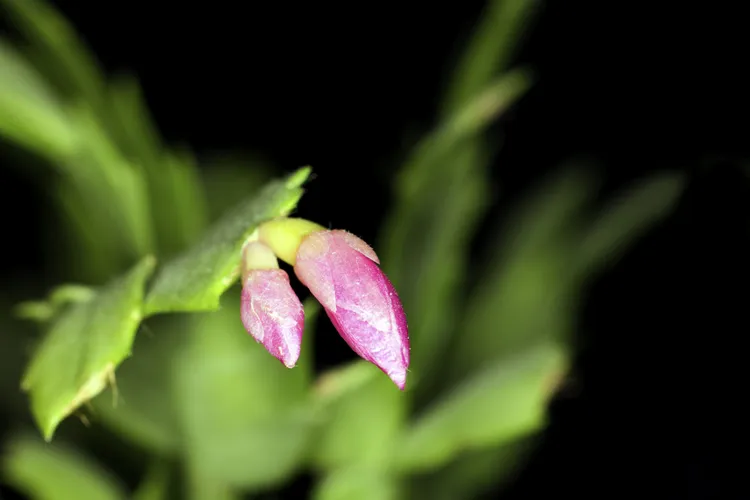
The flowering of Christmas cacti depends on day length and temperature. To bloom in time for Christmas, the plant needs 13 to 15 hours of uninterrupted darkness in the fall and early winter. That's why, starting in late September or early October, people cover their Christmas cactus.
How to Ensure Your Christmas Cactus Blooms
Christmas cactus not only needs a certain number of hours of complete uninterrupted darkness but also specific temperatures.
Keeping the plant for 13 hours of darkness at a room temperature between 55°F and 70°F is ideal. If the temperature in your home is above 70°F, it needs 15 hours of darkness. It's helpful to set a timer and use a thermometer.
Use an opaque black cloth or a cardboard box to cover your plant. A dark closet or a windowless room, such as a pantry, also works. Just ensure you don't accidentally turn on the light during the night—even the shortest interruption of the nighttime darkness by light may cause the plant to drop buds.
Maintain this routine for eight weeks. Afterwards, put the cactus back in a spot where it gets four to six hours of sunlight every day. At that point, it should have developed flower buds and will start blooming soon.
6 Practices for Caring for Christmas Cactus
Christmas cactus will only bloom if given the proper care. Here are some additional tips to make sure your plant is happy and healthy all year round.
Light
Outside of the dark period before the bloom, Christmas cactus needs bright indirect light. A spot within three feet of a large east- or west-facing window covered by a sheer curtain is ideal.
During the summer, you can move the plant outdoors to a location with dappled shade, such as a patio that is shaded by trees. Avoid exposure to harsh direct sunlight.
Water
The amount of water a Christmas cactus needs, and the frequency of watering, depend on the time of the year.
During the blooming season, water whenever the top inch of soil feels dry to the touch, about once a week. Water enough to keep the soil moist but not soggy.
The rest of the year, let the soil dry out completely before watering—usually every two weeks.
Temperature
During its active growing period between April and September, Christmas cactus should be kept at a temperature between 70°F to 80ºF. In the fall and winter, once the buds are set, low nighttime temperatures between 55°F and 65ºF are best to induce flowering.
Regardless of the season, keep the plant away from heating vents and drafts of any sort. Christmas cacti are sensitive to sudden temperature changes and may drop their buds or flowers.
Fertilizer
During the active growing season, fertilize the Christmas cactus monthly with a balanced, water-soluble houseplant fertilizer such as 20-20-20, diluted to half strength.
Stop fertilizing the plant in late summer and restart the fertilizer routine around April the next year.
Repotting
Christmas cacti are slow growers that only need repotting about every three years when the roots have filled the pot. Never repot the plant while it's blooming; late winter or early spring, while the plant is still dormant, is the best time for repotting it.
Troubleshooting Leaf Discoloration
When the leaves of your Christmas cactus turn red or a purple color, it's a sign that something is off, and the plant is under stress. Often, it's an easy fix, but promptly determining the cause, such as excess sunlight, is important.