Key Takeaways
- Poinsettia are usually treated as throw-away plants and can be hard to grow year-round.
- Christmas cacti have all the holiday charm of poinsettia but are easier to care for and pet-safe.
- With proper care, Christmas cacti can live for decades and rebloom each Christmas.
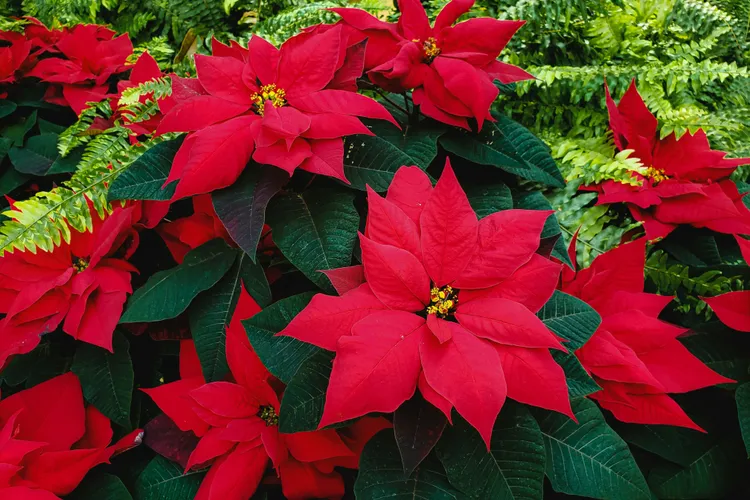
With their bright red and green coloring, it's no wonder why poinsettia have become one of the most popular plants for holiday decorating. But poinsettia can be tricky to keep alive and they're toxic to pets, which makes them a risky choice for pet friendly homes.
If you're looking for a poinsettia replacement plant that's just as festive, but easier to grow and safe for pets here's why Christmas cacti are worth a try, and tips on how to keep them for years to come.
Why Christmas Cactus Should Replace Poinsettias in Your House This Year
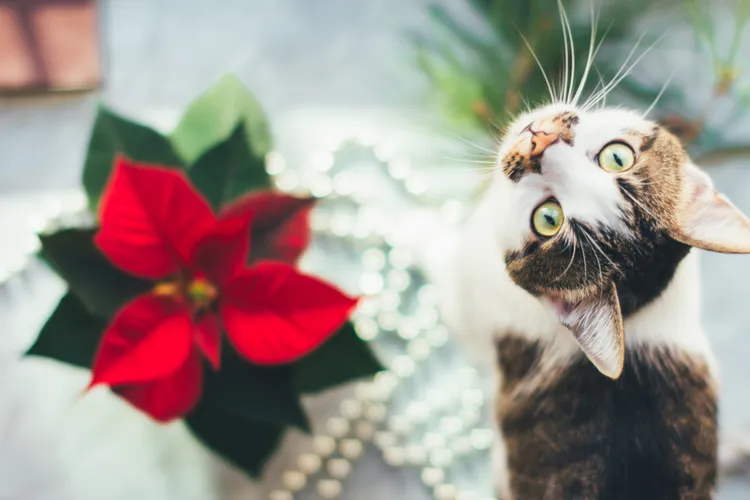
While poinsettias can technically be kept alive for years, most growers treat them as "throw away" plants and toss them in the trash at the end of the holiday season.
Part of this is due to the fact that poinsettia are a bit finicky about their care, but poinsettia leaves also become green after the holidays and need to be tricked back into turning red if you want to enjoy them during Christmases to come. However, Christmas cacti need no such fuss.
"Holiday cacti naturally rebloom every year for the holidays as long as you don't turn the lights on after sundown—they need natural daylengths," explains horticulturist Justin Hancock. "They also grow bigger and more beautiful every year, and have a long lifespan—they live for decades—which has made them a family heirloom for many."
Aside from their sheer durability, Christmas cacti are easy to keep, need less water and humidity than poinsettia, and are non-toxic to pets.
And while their fleshy, succulent leaves look a bit different than a poinsettia, Christmas cacti put on a colorful show just in time for the holidays when their bright red, pink, orange, white, or purple flowers bloom in mid-winter.
How to Care for Christmas Cactus
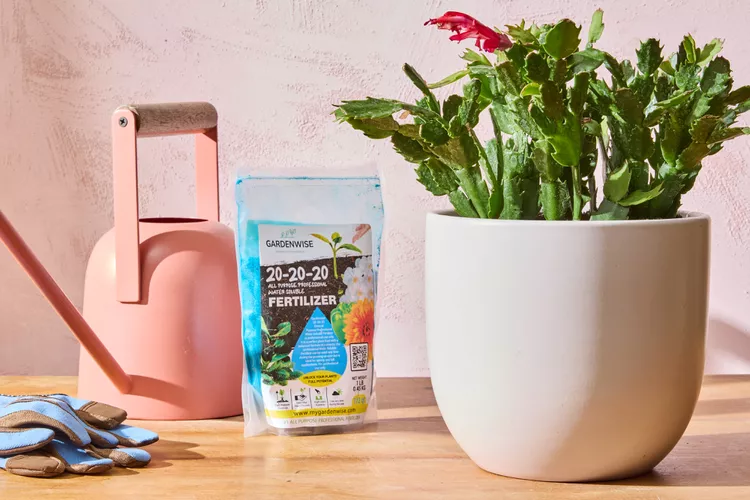
Unlike your typical desert cactus, Christmas cacti are native to tropical areas in Brazil, and so their growing needs are a little different.
These plants bloom best when they're grown in bright, indirect light, but their flowering is triggered by the short day-lengths of winter.
If you've recently purchased a new Christmas cactus, it's likely already in bloom; however, if you have an older plant that you'd like to make flower again, you can trigger reblooming by placing the plant in a location that stays dark in the evening for the eight weeks leading up to Christmas.
Aside from lighting, Christmas cacti also need regular watering; water these plants when the top 1 to 2-inches of soil feels dry, and withhold all fertilizer during the winter season. These plants only need to be fertilized when they start to produce new leafy growth in spring to summer, but they may benefit from a bit of extra humidity in winter if your home is on the dry side.
Since they have relatively shallow root systems, Christmas cacti don't need to be repotted often and they shouldn't be repotted during winter when their flower buds are forming and opening.
Instead, wait until after your plants finish flowering and then repot them, if needed, into a container that's just 1 to 2 sizes larger than your existing pot. When repotting, handle these plants with care as their stems break easily, and choose a fast-draining succulent or cactus potting mix and a well-draining pot to ensure your Christmas cactus doesn't develop root rot.
Can You Keep Christmas Cactus Over Winter?
Most poinsettia last for a single Christmas season, but often fade due to their higher-than-average humidity needs and are thrown in the trash after Christmas. But Christmas cacti have staying power and last much longer with proper care.
In general, Christmas cacti typically live for 20 to 30 years, but they may last for 100 years or more if their growing needs are met.
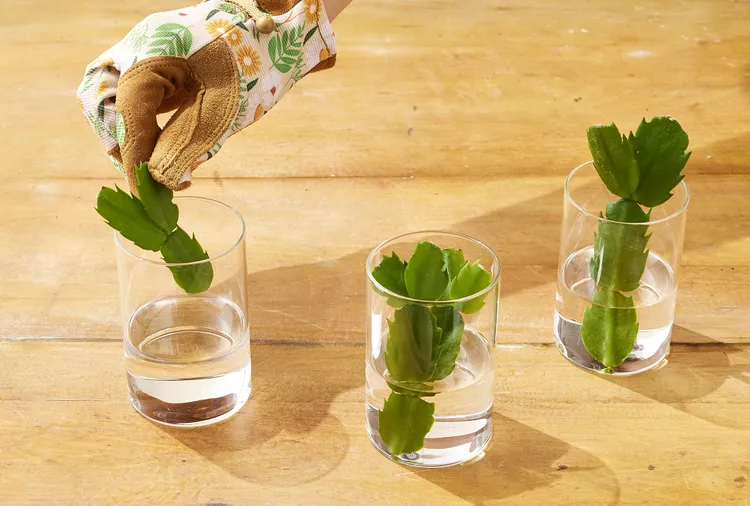
As long as you deprive your plants of light in fall, Christmas cacti should bloom bountifully for many winters to come and keep your Christmas season filled with winter flowers. Even better, Christmas cacti are extremely easy to propagate from stem cuttings, which means you can easily make more plants for future holiday decorating from a single Christmas cactus plant or two.