Key Takeaways
- Bottom watering allows plants to absorb water from the bottom up through their roots.
- This method prevents overwatering since roots only take what they need.
- Bottom watering is especially convenient for porous terracotta planters.
- Perfect for keeping plants hydrated when you're away for extended periods.
As someone who is what I describe as "chronically out of town," there are so many things I need to take care of regularly: someone to look after my cat, a regular cleaning schedule, friends to manage my packages, and more. The last thing I want to add to a list that already has me calling in lots of favors is plant care. (Also because I'm scared folks won't take as good care of them, now that I understand the dangers of overwatering.)
So, here's the one thing I always make sure to do before leaving my plants alone for more than a week.
Bottom Watering
When I first heard about bottom watering, I thought it was the dumbest thing ever—what do you mean you just let your plants sit in water? Isn't that what leads to root rot?
Bottom watering basically just means you let your plant sit in a bunch of water, and instead of the water seeping in from the top down to the roots, the roots will drink it up as it soaks through the dirt upward. It's a faster method of getting water directly to the roots.
Honestly, I wasn't sold on it until I saw a time-lapse of someone bottom watering their plants on social media. You could see how the plants perked up over just a little bit of time, and how much the water levels decreased as they drank up.
How to Bottom Water Your Plants
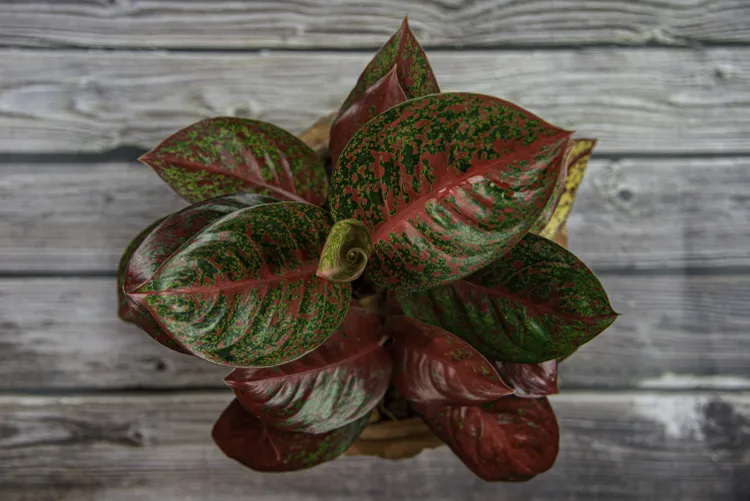
My favorite plant (don't tell the other two) is an aglaonema that sits on my windowsill in my bedroom. It's in a terracotta planter and gets plenty of sunlight throughout the day. As a result, it dries out pretty quickly and needs watering more frequently than aglaonema normally should—about twice a week.
Before leaving town, I always make sure to bottom water it in the kitchen sink; I just put in the stopper, fill up about four or five inches of water, and let it sit in there for a few hours.
I like this method because you can't overwater—the roots will simply take whatever they need, and the dirt will soak up a little extra for when it gets thirsty later. It's especially convenient for a porous terracotta planter because even the planter won't take in the water from the dirt like it tends to, again, leaving more water for the plant later.
Different Plants, Different Needs
I'll do the same for my lemon cypress since they need a lot of water, and as needed for my echeveria succulent since they're not as thirsty. Since I'm leaving town for three weeks this time, I made sure to give them all their time to drink.
Now, I don't have to call in any favors for plant care, and I know my plants are doing just fine until I get back.